

Introduction
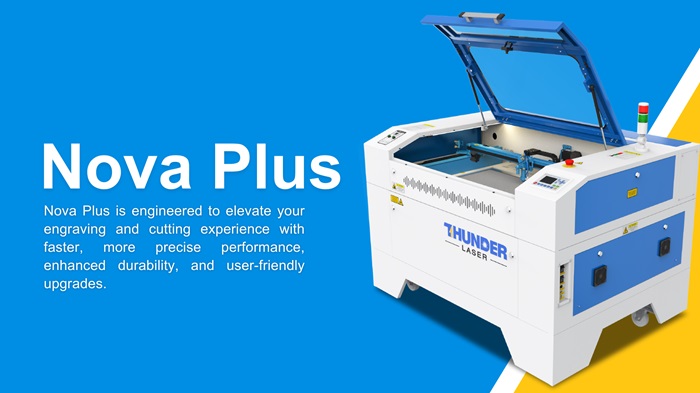
Hands‑on building has shifted as more makers adopt tools designed for accuracy and clean results. What used to require manual measuring and steady handwork can now be handled by machines that follow digital paths with remarkable consistency. This is one reason laser cutters have become popular among hobbyists, workshops, and small production teams—they offer a reliable way to shape materials without guesswork.
Precision and Workflow Efficiency
Precise cuts naturally reduce waste, since materials can be nested more tightly and each line follows the exact path laid out in the design. This accuracy also improves workflow, as makers spend less time correcting measurement errors or trimming pieces to fit. Clean, reliable cuts support smoother assembly, especially for projects that rely on tight tolerances.
The consistency becomes even more noticeable when working with materials such as wood, acrylic, leather, or certain plastics. Each piece in a set matches the next, eliminating the small inconsistencies that often appear with manual methods. For small‑batch runs or personalised orders, this repeatability allows creators to keep quality steady while managing timelines more confidently.
Design Flexibility and Creative Detail
Laser‑based methods open up design possibilities that are difficult to achieve with traditional tools. Intricate shapes, sharp internal corners, and delicate patterns can be produced without causing chips, splintering, or distortion. This precision lets makers elevate the look and feel of their products, whether they’re crafting décor, accessories, branding elements, or mechanical components.
Creators in settings ranging from local craft markets to prototype development rooms benefit from this flexibility. Adjusting designs is simple—change the digital file, test a single piece, and refine as needed. This reduces barriers to experimentation while keeping the results consistently professional.
Maintenance, Material Choice, and Safety
Steady cutting performance depends on regular maintenance. Cleaning lenses and mirrors, checking alignment, removing residue from the cutting bed, and monitoring airflow all help preserve accuracy. These small habits extend machine life and reduce the likelihood of rework.
Material choice also affects the final outcome. Higher‑quality sheets with fewer internal flaws produce cleaner edges and reduce the time spent sanding or polishing. Testing a small sample before moving to full production can reveal how a material responds and what adjustments may be needed.
Safety remains essential when working with powered cutting equipment. Good ventilation, proper handling procedures, and awareness of the machine’s operating limits help keep teams protected while ensuring the equipment continues to run reliably.
Conclusion
Precision tools support both dependable quality and creative freedom. They help beginners achieve cleaner results while giving experienced makers the control they need for complex projects. Improved accuracy reduces waste, speeds up workflow, and allows ideas to move from concept to finished product with fewer setbacks. Adopting modern cutting methods is a practical step toward producing work that is consistent, refined, and ready to meet higher expectations.
Article Provided