

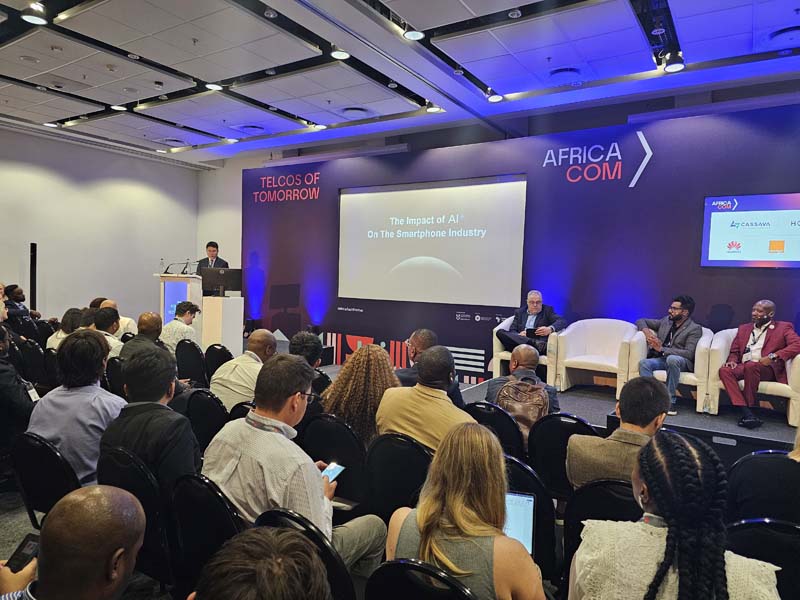
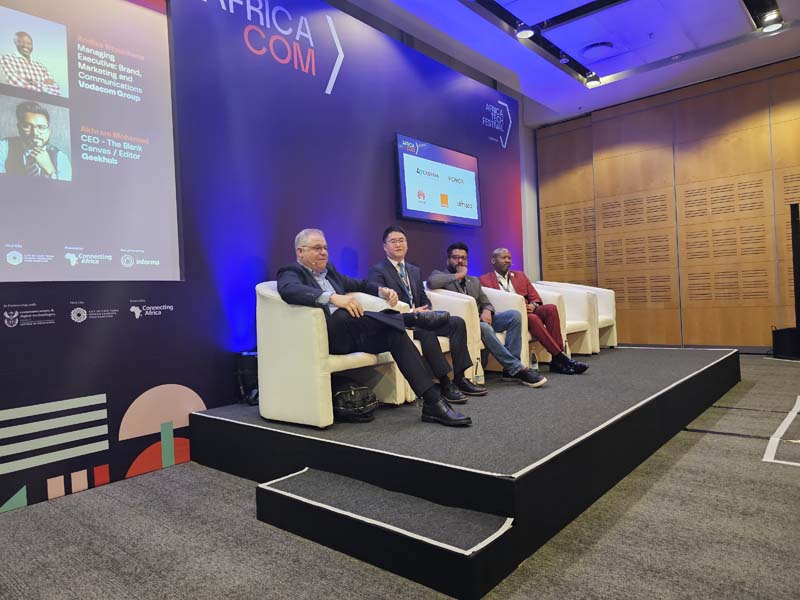
At a recent fireside chat titled “The Impact of AI in the Smartphone Industry” held during the AfricaCom Africa Tech Festival in Cape Town, global smartphone manufacturer HONOR outlined an ambitious vision for the future of AI integration in mobile technology. The event brought together leading voices from HONOR, Vodacom, and tech industry analysts, exploring how artificial intelligence is shaping the smartphone industry, user experience, and connectivity across Africa.
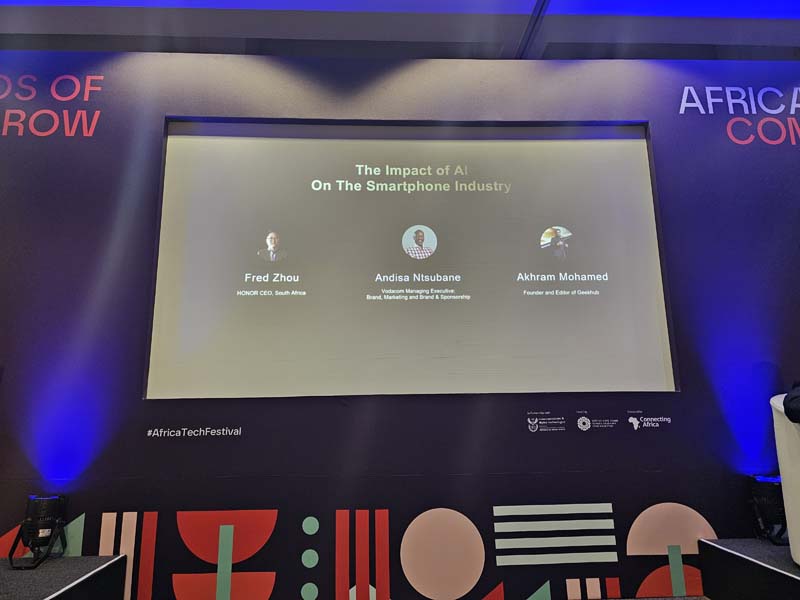
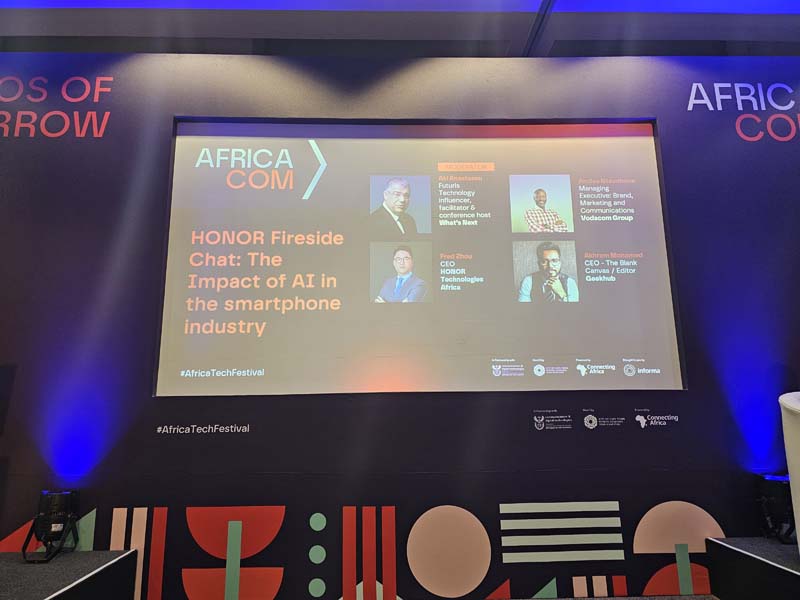
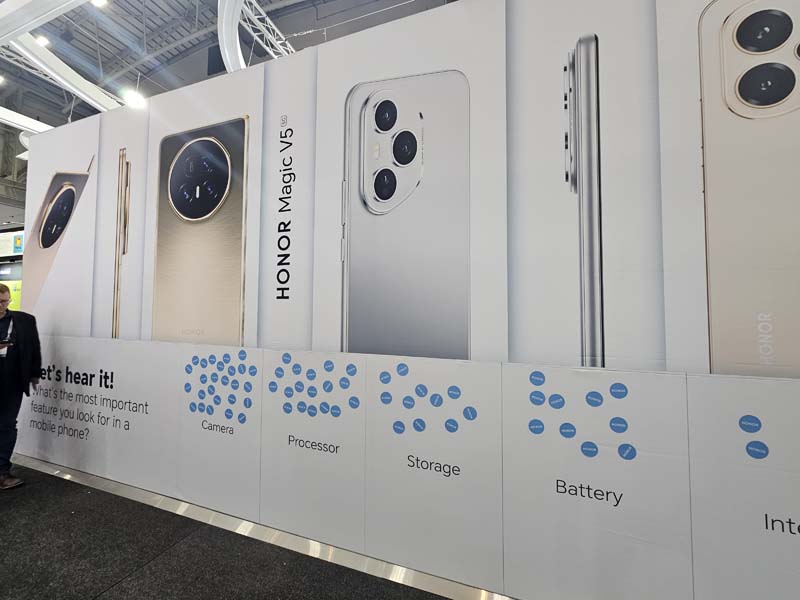
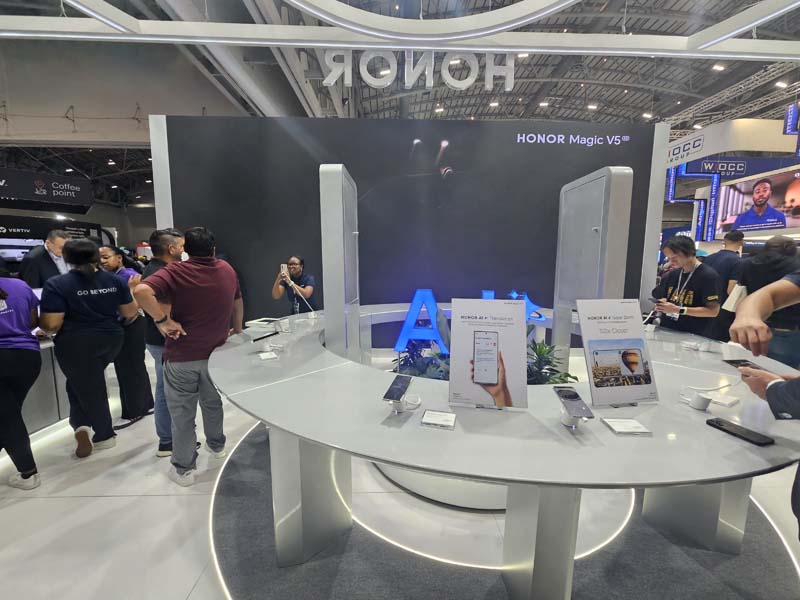
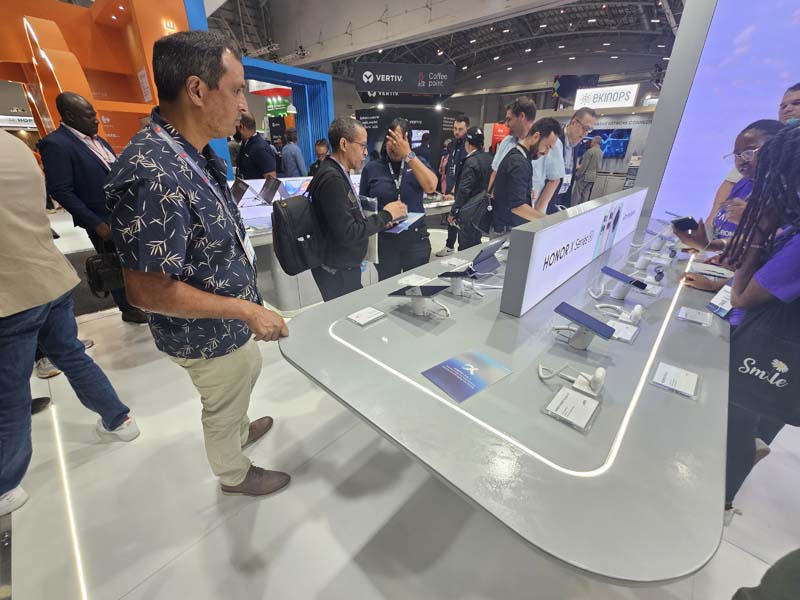
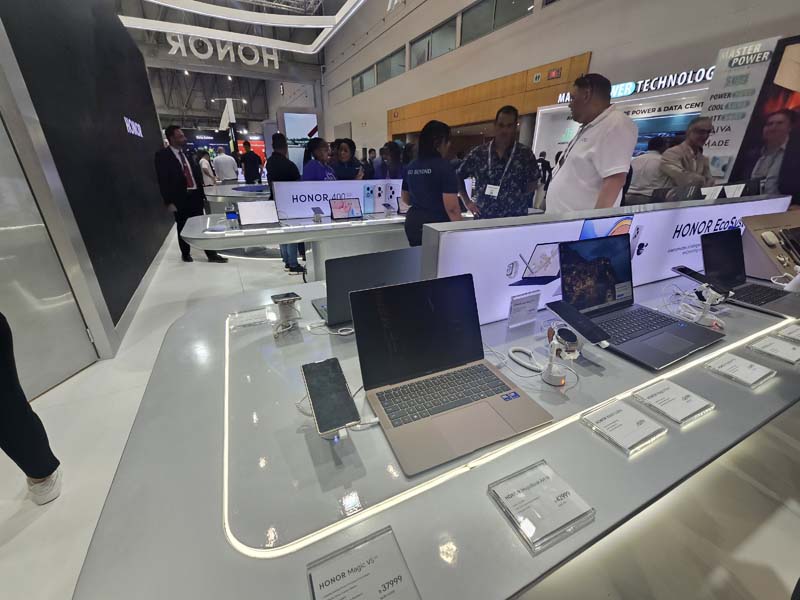
Before we get into the discussion, let’s take a detailed look at the HONOR stand at AfricaCom Africa Tech Festival 2025 as well as a walk-through of the other exhibits:
A $10 Billion Investment to Power the AI Era
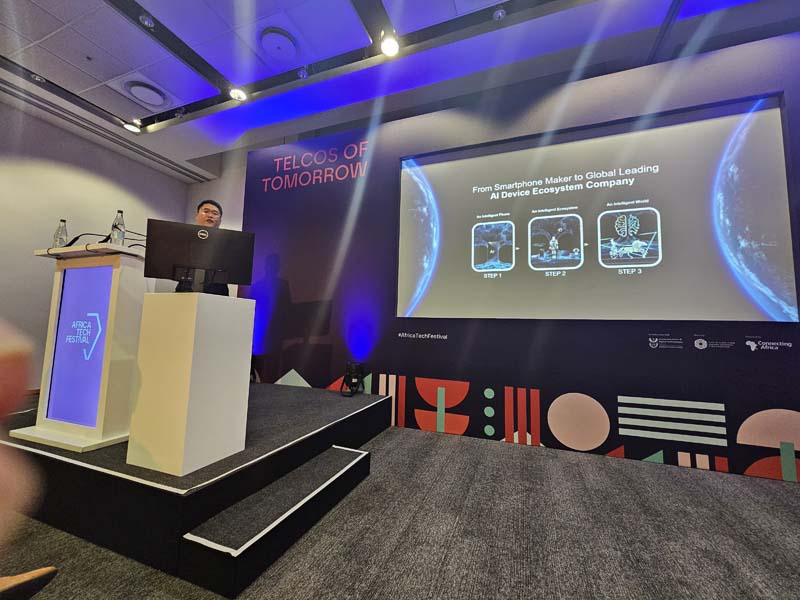
HONOR announced plans to invest $10 billion over the next five years to accelerate innovation in AI technologies, ecosystems, and partnerships. According to Fred Zhou, CEO of HONOR, this massive investment is designed to make AI more accessible, integrated, and practical for everyday users.
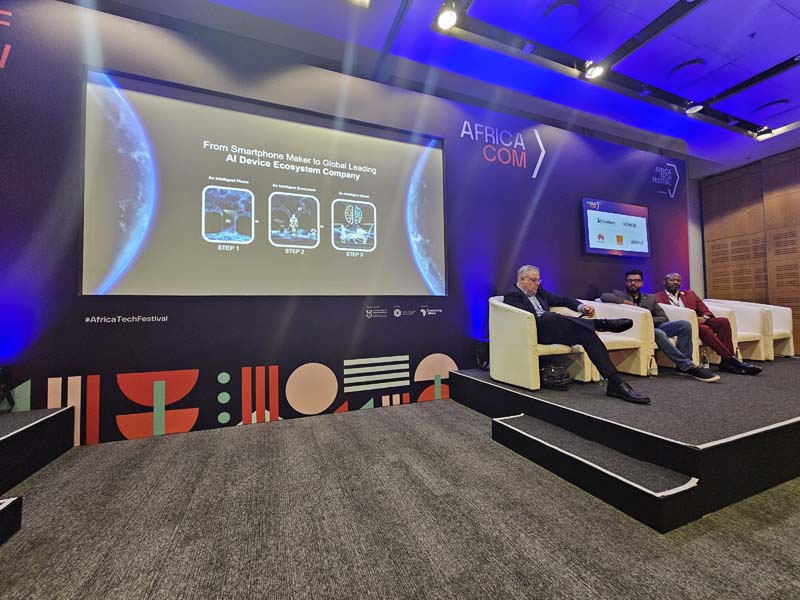
“AI is not just about creating high-end devices,” Zhou explained. “It’s about building an open, intelligent ecosystem where both humans and machines evolve together. Our goal is to ensure everyone — not only premium users — can experience the benefits of AI.”
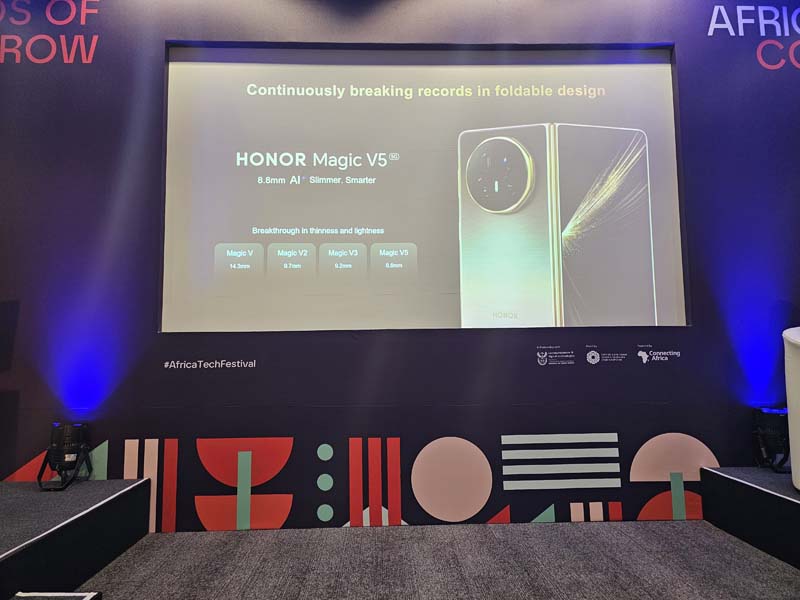
HONOR’s approach includes developing AI-enabled smartphones like the Magic Series for advanced users and the X Series, an affordable line designed to democratise access to AI features across all markets.
AI as the Gateway to the Future
Zhou described HONOR’s AI-powered devices as “the gateway to the AI world,” where everyday experiences — from photography to health and communication — are transformed by machine intelligence running silently in the background.
For example, AI now assists users by optimising photos, learning daily habits, and reducing manual tasks, all while adapting to personal preferences. “Good AI happens invisibly,” Zhou said, “enhancing convenience and speed without users even realising it.”
Partnerships Powering an Intelligent Ecosystem
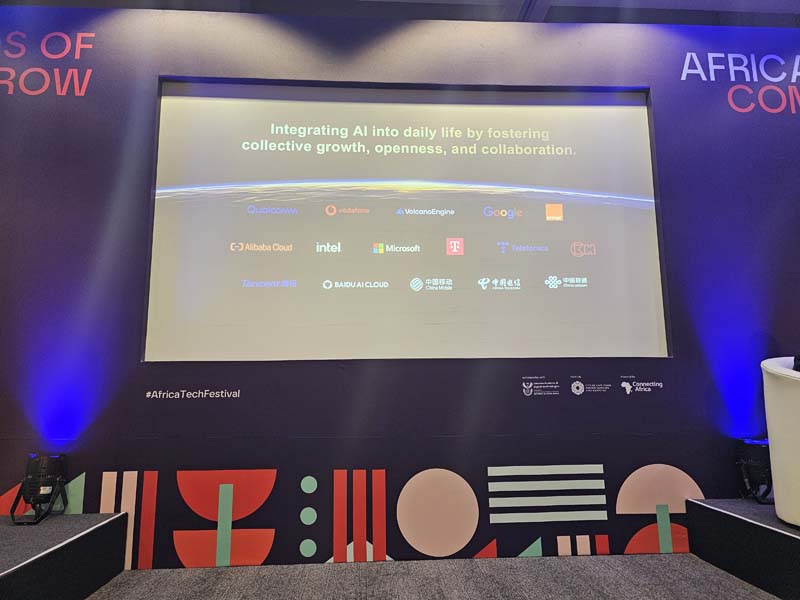
Recognising that AI innovation cannot happen in isolation, HONOR has formed global collaborations with Google, Vodacom, and multiple ecosystem partners to build what Zhou called a “shared AI world.”
These partnerships ensure that smartphones, networks, and cloud systems work seamlessly together — integrating hardware, software, and connectivity into a single intelligent framework.
Vodacom’s Managing Executive: Brand, Marketing and Communcations, Andisa Ntsunbane, emphasised the network’s critical role in enabling these experiences:
“AI and connectivity go hand in hand. Our mission is to make sure everyone has access to the technology that transforms lives — from education to agriculture — especially across Africa.”
Vodacom, which serves over 232 million customers across the continent, is investing heavily in device financing, AI-driven services, and network accessibility to bridge the digital divide.
Democratising AI: Accessibility and Affordability
One of the major challenges in AI adoption is affordability. HONOR and Vodacom are addressing this through smartphone financing initiatives, such as Vodacom’s “Easy2Own” programme, which allows consumers to pay as little as R6.50 per day to own a smartphone.
This model ensures that AI technology isn’t limited to flagship devices. As Zhou pointed out, HONOR’s more affordable smartphones are already being rolled out in Africa, providing AI-powered features to millions of first-time smartphone users.
Inclusion Through Technology: Empowering People with Disabilities
HONOR also highlighted how its AI ecosystem supports accessibility. The brand’s smartphones feature built-in assistive technologies for users with hearing or visual impairments. Through AI-enhanced audio adjustment, text-to-voice, and real-time translation, these devices help differently abled individuals engage more fully in the digital world.
Zhou shared an example of a project launched during International Day of Persons with Disabilities, where HONOR’s wearable devices and AI systems worked together to enhance auditory feedback and communication for hearing-impaired users.
Localisation and African Context
A recurring theme was the localisation of AI — ensuring that technology understands and serves the unique cultural, linguistic, and economic needs of African users.
Tech analyst Aki Anastasou, who moderated the discussion, noted that AI must be “contextualised for real African problems”, not just imported from global models. HONOR and Vodacom agreed that AI solutions must be trained on local data, support multiple African languages, and address specific regional challenges.
“We can’t just import intelligence,” Anastasiou said. “It has to be localised, adapted, and accessible — otherwise, we risk building systems that don’t understand our context.”
Education, Connectivity, and the Next Generation
AI’s role in education was another major focus. Vodacom is already partnering with South Africa’s Department of Basic Education to connect schools and train educators in digital literacy. As Akhram Mohamed, CEO of The Blank Canvas and Editor at Geekhub noted, the goal is not only to provide connectivity but also to reshape how learning happens, using AI-powered platforms that adapt to individual learning needs.
Looking Ahead: The Next Five Years of AI Integration
The panel concluded with a bold prediction: within five years, AI-driven smartphones will offer real-time translation, predictive healthcare, agricultural insights, and adaptive learning tools — all at users’ fingertips.
With satellite internet expansion and network innovation, connectivity will become nearly universal, allowing AI-powered devices like those from HONOR to transform lives across every corner of Africa.
“AI will break language barriers, predict health issues, and connect people in ways we’ve never imagined,” Anastasiou said in closing. “And it will all start with the smartphone — the true gateway to the intelligent future.”
Conclusion
The discussion underscored a shared vision among HONOR, Vodacom, and the tech community: to build an inclusive, localised, and human-centric AI ecosystem. Through collaboration, investment, and innovation, AI is moving from a buzzword to a practical reality — one that promises to empower millions and reshape industries across Africa and the world.
This article was created from a voice recording of a talk. The recording was transcribed using AI and then further refined and written into article form with the help of AI tools. While care has been taken to ensure accuracy, some wording/quoutes/names may differ slightly from the original speech.